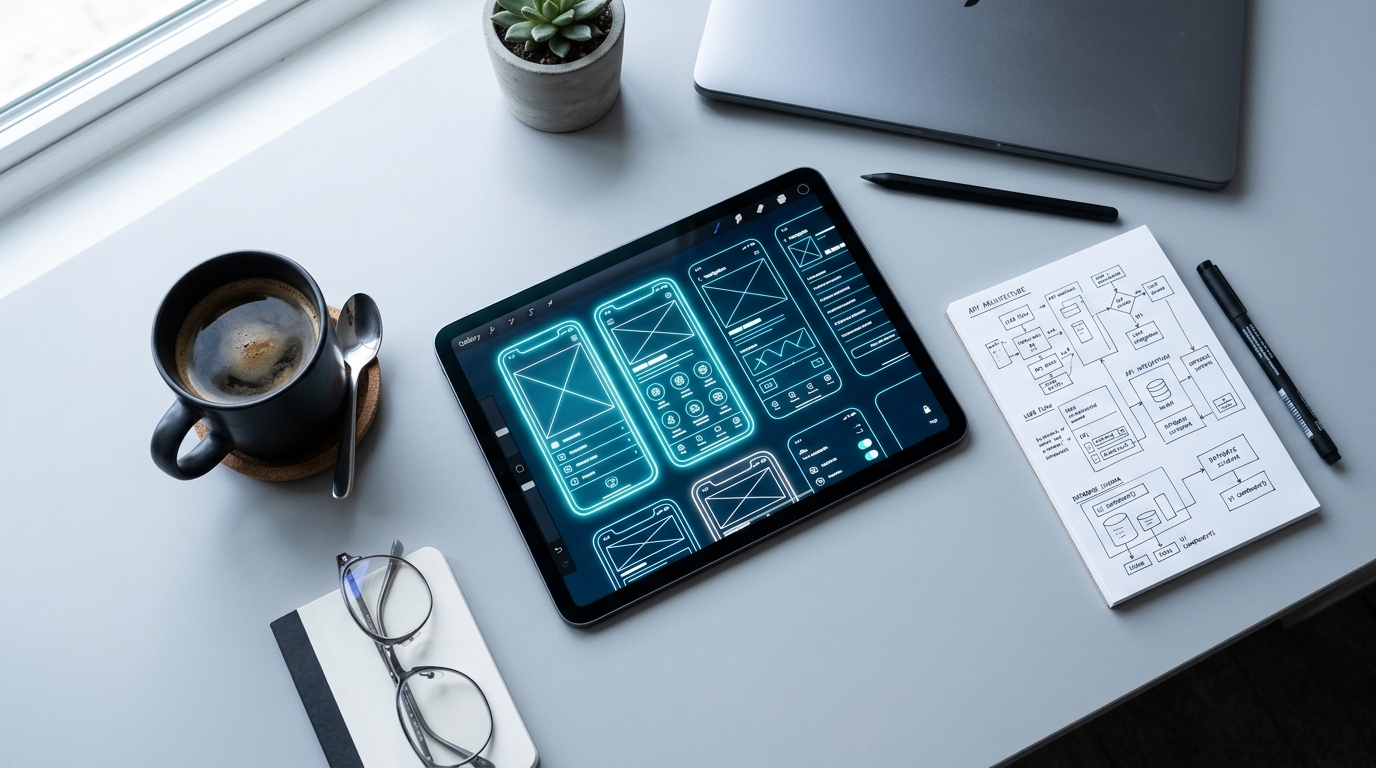
Last month, I cleared my desk and lined up three test devices: an aging iPhone 11, a standard iPhone 14, and a newer iPhone 14 Pro. My objective was straightforward. I wanted to configure a secondary business line and complete a simple VoIP call over a standard T-Mobile cellular connection using newly released communication tools. Out of four applications tested, two crashed immediately upon launch, one refused to route the audio correctly, and the last demanded access to my entire personal photo library just to open the dialpad. This exact scenario illustrates the fundamental friction in modern software: the app store is saturated with choices, but drastically short on actual utility.
Codebaker is a mobile app company dedicated to solving everyday utility challenges through privacy-first communication tools and efficient document management software. Our core product philosophy prioritizes reliable execution over feature bloat, delivering practical solutions for virtual phone numbers, mobile faxing, and document scanning. Rather than trying to be everything to everyone, we focus on specific, recurring user jobs that require stability and privacy.
Demand Software That Solves Specific Frictions
As a communications technology editor, I spend most of my time analyzing SIP trunks, VoIP protocols, and second-number routing systems. The pattern I observe constantly is developers over-engineering simple tasks. A professional does not need a proprietary ecosystem to send a single document or separate their business calls from personal ones. They need targeted, highly specific mobile tools.
Our approach at Codebaker centers on removing hardware dependencies without introducing software complexity. When we conceptualize an app, we include only the features necessary for the primary user intent. If the goal is digitizing paperwork, the interface should prioritize the camera viewfinder and immediate edge-detection algorithms. If the goal is private communication, the focus shifts entirely to network reliability and contact isolation.
This clarity is particularly important for independent contractors, small business owners, and remote teams who operate their entire business from their smartphone. They cannot afford downtime or bloated interfaces. They require specialized applications that perform one task flawlessly.
Adopt a Security-First Development Architecture
The software development environment is shifting rapidly, changing how applications are built and maintained. According to recent industry tracking, the global software market continues to grow as users move away from desktop-only workflows toward mobile-first paradigms. The speed at which updates are released has increased, but that speed often introduces vulnerabilities.
When dealing with user communications and sensitive documents, security cannot be an afterthought patched in during an update. At Codebaker, our infrastructure is designed so that whether you are transmitting a medical record or negotiating a contract over a virtual line, the underlying data pathways remain isolated and secure. We evaluate our codebase specifically to prevent the common vulnerabilities that rapid, unchecked development cycles often introduce.
This security-first mindset is essential in a world where data privacy is no longer optional. By focusing on intelligent review and strict architectural mandates, we ensure that our users' information remains under their control, not exposed by unnecessary software permissions or poorly configured cloud storage.
Separate Work and Personal Life with Virtual Numbers
One of the most frequent challenges I consult on is contact overlap. Professionals naturally want to use their primary device for everything, but handing out a personal mobile number to dozens of clients inevitably erodes boundaries. The solution is not buying a second physical device.
This is where VoIP architecture proves invaluable. A proper virtual number service operates over your existing data connection, routing calls and messages without touching your carrier's native telephony system. For instance, you can use the Text &Call Second Phone Number app to maintain a strict barrier between personal contacts and client communications. This application provides a dedicated second phone number and VoIP service, allowing users to text and manage calls securely. It is explicitly a virtual number service—not a SIM replacement or a simple call blocker—which ensures your business communications remain organized within a distinct environment.
Modernize Outdated Office Hardware
While voice communication is moving entirely to data protocols, document management still suffers from a hardware hangover. Far too many offices maintain bulky fax machines and flatbed scanners for tasks that modern smartphones can handle instantaneously.
By utilizing the advanced optics found in modern devices, physical peripherals become obsolete. The image signal processors in newer smartphones are more than capable of capturing print-quality document reproductions. If you are examining a high-resolution contract, the expansive display of an iPhone 14 Plus provides an excellent canvas for reviewing digital paperwork on the go.
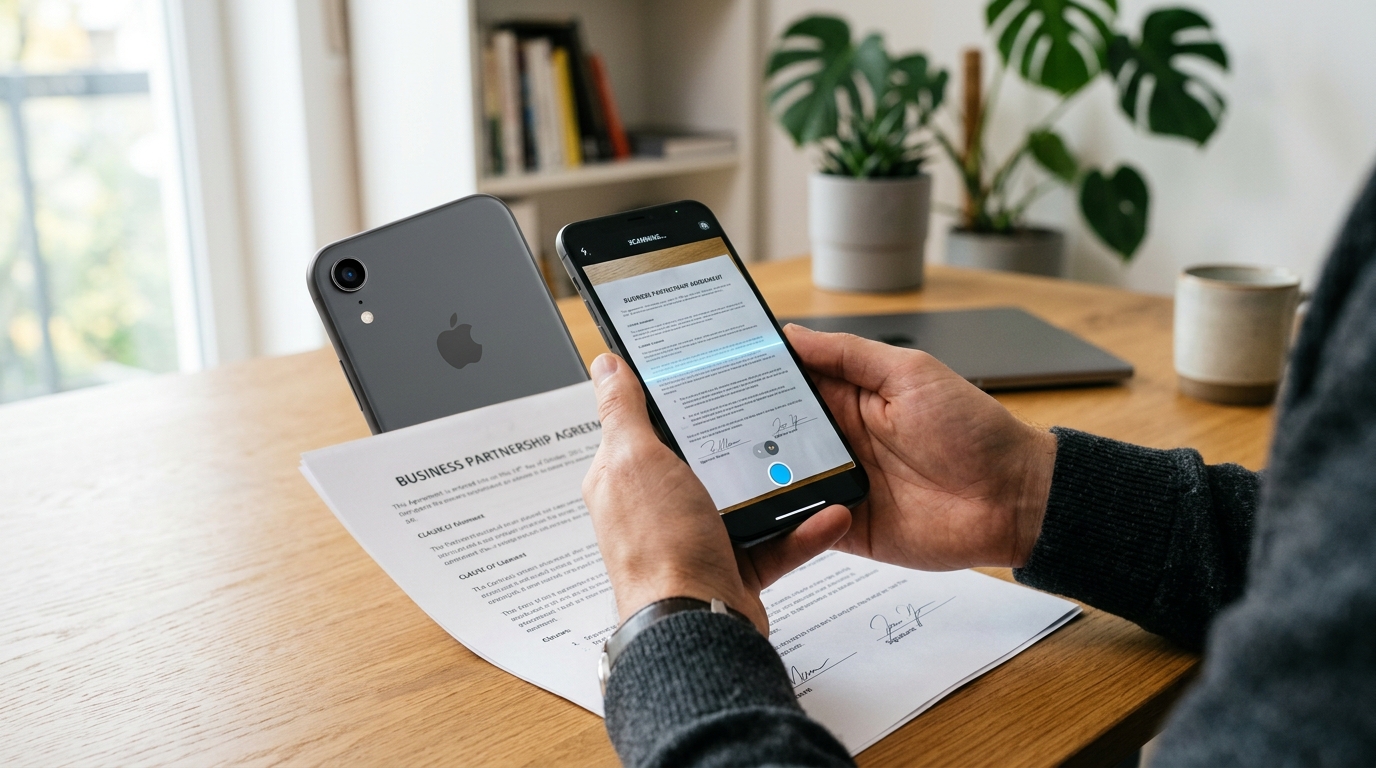
To facilitate this hardware transition, we focus heavily on edge-detection and image enhancement algorithms. Using the Scan Cam: Docs PDF Scanner App, users can transform their mobile device into a professional document scanner and PDF management tool. You simply use the camera to scan the document, and the software corrects perspective distortion, enhances text contrast, and outputs a clean, universally readable file.
Furthermore, legacy transmission protocols are easily virtualized. With the FAX Send Receive (ad-free) App, users bypass the physical fax machine entirely, securely sending and receiving faxes directly from their smartphone using an interface as straightforward as an email client.

Ask These Core Questions Before Migrating Your Workflow
When deciding which apps to integrate into your daily operations, it helps to apply a strict decision framework. I recommend evaluating potential software based on these specific functional criteria:
- Does the application request unnecessary permissions? A document scanner has no legitimate reason to access your microphone, just as a VoIP client does not need to read your local device storage outside of its sandbox. Strict permission management is a hallmark of secure development.
- Is the user interface optimized for speed? If it takes more than three taps to begin a scan or initiate a phone call, the application is poorly designed. Utility tools must minimize friction.
- Does the service provide independent infrastructure? Relying on native cellular routing defeats the purpose of a secondary communication tool. Verify that the app uses dedicated SIP trunks and secure cloud pathways for file transmission.
Evaluate Utility Apps by Their Long-Term Reliability
The barrier to creating functional software has dropped significantly over the past two years with the rise of modern development tools. However, generating code is only the first step. The true test of a company lies in maintaining that software.
When iOS updates its underlying camera APIs, or when network carriers modify their data handling protocols, applications must be actively patched and optimized to prevent service degradation. A virtual phone line that fails to ring during a background state, or a PDF scanner that crashes when attempting to export a large file, immediately loses its utility.
At Codebaker, our development philosophy extends far beyond the initial release. We build our applications on stable, scalable architectures designed to withstand operating system shifts and varying network conditions. By prioritizing strict engineering standards, actionable utility, and absolute user privacy, we ensure our tools remain reliable assets for professionals managing their work on the move.